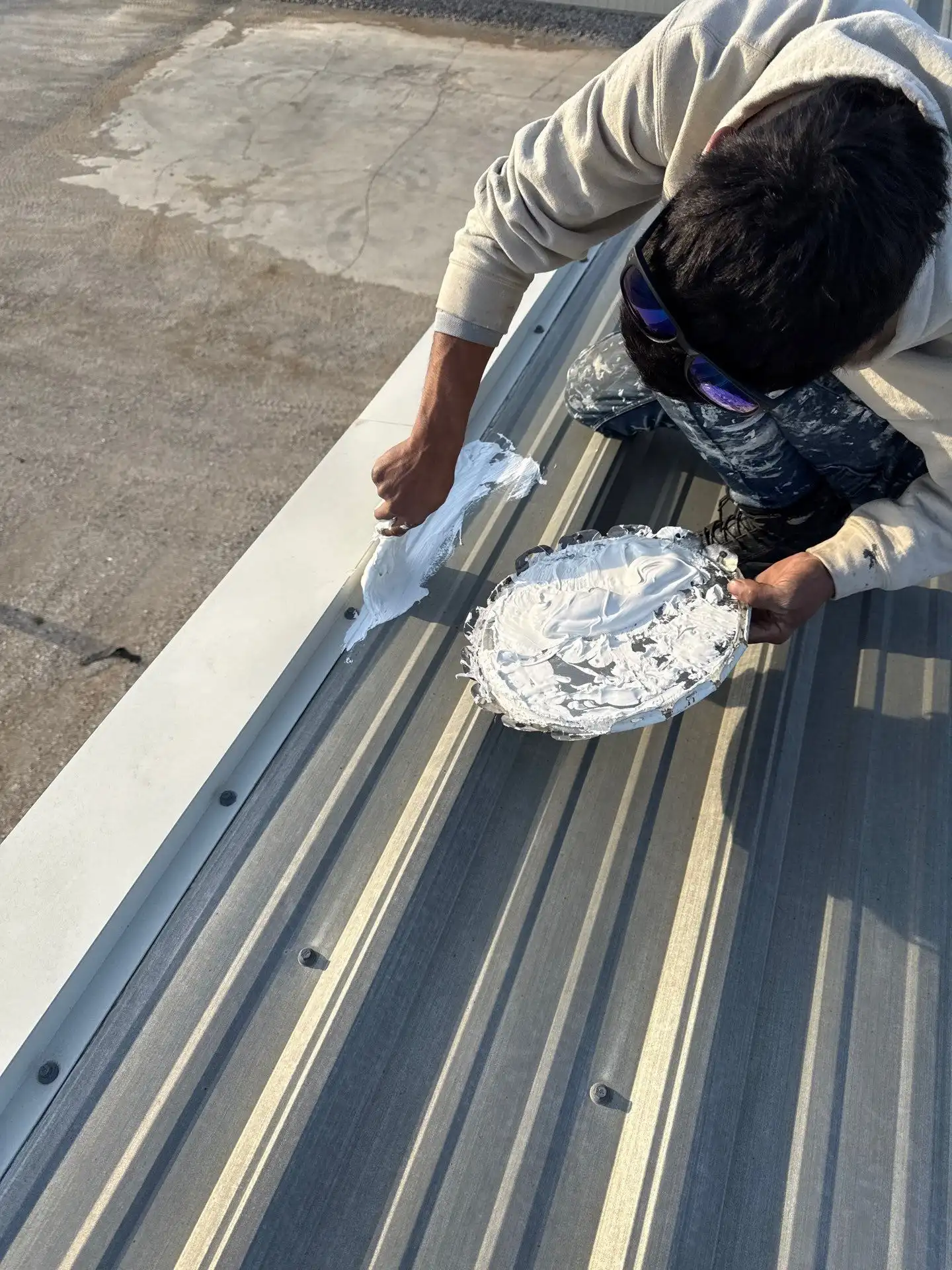
Addressing ponding on your roof
For a Devon owner dealing with ponding, knowing how to proceed, from recognizing the problem to getting it properly fixed, helps protect the roof. A methodical approach leads to an effective, lasting solution.
Recognize and document the ponding
Start by recognizing the ponding, noting where water stands and how long it lingers after rain, and documenting it. Observing the roof after rainfall, or having it inspected, reveals the ponding areas and their extent. For a roof, understanding where and how much the roof ponds is the first step, since it tells you the scope of the problem and helps the assessment identify the cause and the appropriate fix for those specific areas.
Get a professional assessment of the cause
Because the right fix depends on the cause, a professional assessment that determines why the roof is ponding is essential. An inspection examines the drainage, the slope, any deflection, and the roof's condition to pinpoint the cause and assess any damage the ponding has already done. For a Marion County roof, this assessment is the foundation for an effective fix, since it identifies the actual cause and any associated damage rather than just treating the symptom of standing water.
Address the cause, and any damage
With the cause identified, the fix addresses it, drainage improvement, tapered insulation, crickets, or structural solutions, and any damage the ponding has already caused is repaired. Ponding that has deteriorated the membrane or created leaks needs that damage addressed alongside the drainage fix. For a Devon roof, addressing both the cause and the existing damage ensures the roof is both draining properly going forward and restored from the harm the ponding did, which is a complete solution.
Prevent ponding through maintenance
Once ponding is fixed, maintenance prevents it from returning, particularly keeping drains clear so they do not clog again, and monitoring the roof for any new low spots or drainage issues. A maintenance plan keeps the drainage working and catches any recurrence early. For a roof, ongoing maintenance protects the fix and prevents new ponding, since keeping the drainage clear and the roof monitored is the lasting way to keep standing water off the roof.
From problem to lasting solution
Addressing ponding, recognizing it, assessing the cause, fixing the cause and any damage, and preventing recurrence through maintenance, takes the roof from a damaging problem to a lasting solution. For a Marion County owner, this methodical approach ensures the ponding is genuinely solved rather than temporarily masked. Correcting ponding properly protects the roof's life, which is the goal of addressing standing water in the first place.
Solve your roof's ponding for good
It also helps to address the cause rather than the symptom, because simply removing standing water once does nothing if the drainage failure that created it remains. A Marion County owner who insists on identifying why the roof ponds, inadequate slope, deflection, clogged drains, and fixing that underlying cause gets a lasting solution, while one who only clears the water temporarily will see it return. The effective fix is the one that restores the roof's ability to drain, which is what separates a real solution from a temporary patch.
The broader point about ponding is that it is both a symptom and a cause, a symptom of a drainage failure and a cause of accelerated roof deterioration, which is why it deserves prompt attention. A Devon owner who treats standing water as the warning it is, rather than a harmless feature of a flat roof, addresses the drainage problem before it shortens the roof's life. The roofs that reach their full span are the ones whose owners kept water moving off them, which is exactly what fixing ponding accomplishes.
Finally, preventing ponding is far easier than repairing the damage it causes, which makes maintenance and proper drainage design worthwhile investments. A owner who keeps drains clear, monitors the roof for new low spots, and ensures proper slope on any new roof avoids the steady harm standing water does. That preventive attention, keeping water moving off the roof, protects the roof's life at a fraction of the cost of dealing with the deterioration, leaks, and structural strain that ponding eventually brings.
It also helps to address the cause rather than the symptom, because simply removing standing water once does nothing if the drainage failure that created it remains. A Marion County owner who insists on identifying why the roof ponds, inadequate slope, deflection, clogged drains, and fixing that underlying cause gets a lasting solution, while one who only clears the water temporarily will see it return. The effective fix is the one that restores the roof's ability to drain, which is what separates a real solution from a temporary patch.
The broader point about ponding is that it is both a symptom and a cause, a symptom of a drainage failure and a cause of accelerated roof deterioration, which is why it deserves prompt attention. A Devon owner who treats standing water as the warning it is, rather than a harmless feature of a flat roof, addresses the drainage problem before it shortens the roof's life. The roofs that reach their full span are the ones whose owners kept water moving off them, which is exactly what fixing ponding accomplishes.
Finally, preventing ponding is far easier than repairing the damage it causes, which makes maintenance and proper drainage design worthwhile investments. A owner who keeps drains clear, monitors the roof for new low spots, and ensures proper slope on any new roof avoids the steady harm standing water does. That preventive attention, keeping water moving off the roof, protects the roof's life at a fraction of the cost of dealing with the deterioration, leaks, and structural strain that ponding eventually brings.
It also helps to address the cause rather than the symptom, because simply removing standing water once does nothing if the drainage failure that created it remains. A Marion County owner who insists on identifying why the roof ponds, inadequate slope, deflection, clogged drains, and fixing that underlying cause gets a lasting solution, while one who only clears the water temporarily will see it return. The effective fix is the one that restores the roof's ability to drain, which is what separates a real solution from a temporary patch.
Devon Commercial Roofing takes Devon flat roofs from ponding problem to lasting solution, assessing the cause, applying the right fix, repairing any damage, and offering maintenance to prevent recurrence. Call (765) 676-3491 to solve your roof's ponding for good. A complete, lasting fix is what separates a smart investment from an expensive guess.